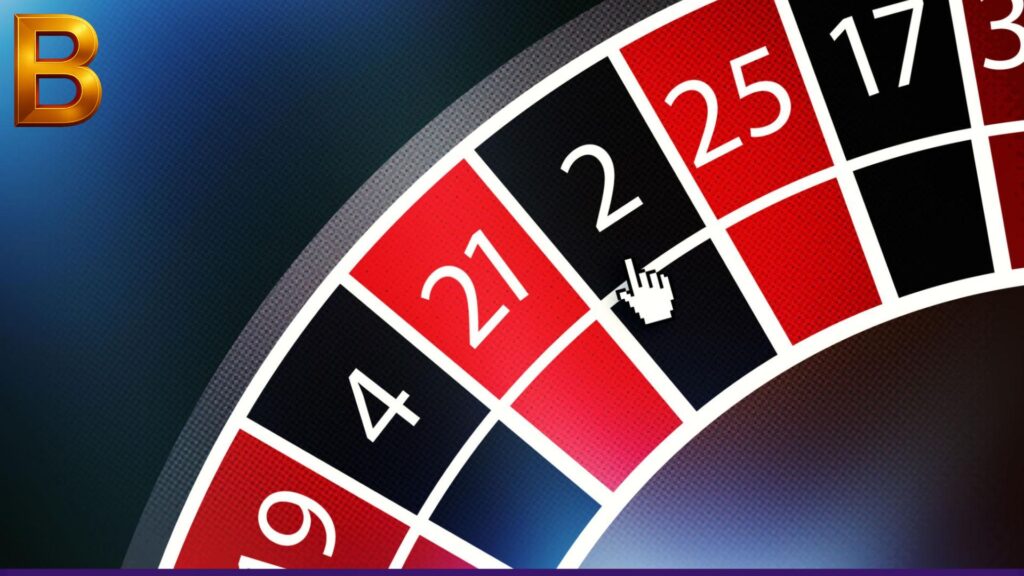
Strategy for Reading the Rhythm of Online Roulette with a Steady Approach
Online roulette moves quickly. The wheel spins, the ball settles, and within seconds a new round begins. In that rapid cycle, many players try to identify rhythm—repeating colors, alternating sequences, clusters of high or low numbers. The desire to “read the flow” is natural. However, a steady approach to online roulette rhythm strategy requires clarity about what rhythm truly means slot gacor.
Roulette is governed by independent spins. Each outcome is statistically separate from the previous one. Yet within short sessions, variance creates temporary clustering. Reds may appear repeatedly. Even numbers may dominate briefly. These short sequences create what players interpret as rhythm.
The key to a steady approach is not predicting the next number—it is managing reaction to variance.
Understanding the Structure of Modern Roulette
Modern online roulette typically follows the European format, featuring a single zero and 37 pockets. In some live studios streamed from hubs like Riga or land-based venues in Monte Carlo, the structure mirrors physical casino wheels.
The mathematical house edge remains constant (approximately 2.7% for European roulette). This foundation shapes long-term expectation. Rhythm does not alter house edge; it influences perception.
Understanding this baseline allows players to avoid unrealistic expectations when observing streaks.
What “Rhythm” Really Means
In roulette, rhythm refers to short-term clustering of outcomes. Examples include:
- Five consecutive Reds
- A run of high numbers (19–36)
- Alternating Red–Black patterns
- Sector clustering (numbers in the same wheel segment)
These sequences occur naturally in random systems. Human cognition detects repetition quickly, often assuming continuation. However, probability resets with every spin.
A steady online roulette rhythm strategy acknowledges clustering without assuming inevitability.
Step 1: Define a Fixed Bankroll Plan
Before interpreting patterns, structure your capital. Stability begins with clear financial limits.
A steady framework includes:
- A predetermined session budget
- Small unit size (1–2% per spin)
- A defined stop-loss point
- A realistic profit ceiling
This prevents rhythm-based excitement from escalating exposure. When bankroll structure is firm, short-term streaks remain manageable.
Step 2: Observe Without Overreacting
Spend initial rounds observing rather than betting aggressively. Note whether colors alternate, cluster, or shift unpredictably.
However, observation should not turn into belief in predictability. A run of five Reds does not increase or decrease the chance of Black on the next spin.
Steady players may choose one of two calm approaches:
- Trend-following with small units – Riding short streaks cautiously.
- Flat betting on even chances – Ignoring rhythm entirely.
Both methods emphasize stability over escalation.
Step 3: Avoid Aggressive Progression Systems
Martingale and similar doubling systems are often used when players believe rhythm will reverse. These systems increase exposure exponentially and can deplete bankroll quickly during extended streaks.
A steady online roulette rhythm strategy avoids:
- Doubling repeatedly after losses
- Large bet increases triggered by emotion
- Chasing reversals aggressively
Flat betting or mild, capped progressions maintain control.
Step 4: Manage Emotional Tempo
Online roulette operates rapidly. Live-streamed tables, particularly those hosted in European studios, may complete rounds in under a minute.
Fast tempo increases impulsivity. To maintain steadiness:
- Skip spins if tension rises
- Take short breaks after streaks
- Avoid playing when fatigued
Emotional regulation strengthens rational analysis.
Step 5: Use Even-Chance Bets for Stability
Even-chance bets (Red/Black, Odd/Even, High/Low) provide near 50% probability (excluding zero). These bets reduce volatility compared to single-number wagers.
Players seeking rhythm-based steadiness often focus on these options because:
- Variance is lower than straight-up bets
- Bankroll fluctuation remains smoother
- Loss streaks are typically shorter
While house edge remains constant, risk exposure per spin becomes more predictable.
Recognizing Variance Cycles
Short sessions may feel dominated by one color or sector. Longer sessions tend to balance visually, though not in a perfectly symmetrical manner.
Variance cycles include:
- Short explosive streaks
- Alternating clusters
- Mixed chaotic phases
Steady players adapt by maintaining fixed bet size rather than attempting to “solve” the wheel.
Long-Term Expectation vs. Short-Term Rhythm
Over time, roulette outcomes approximate statistical distribution. However, short-term deviations are normal and can be dramatic.
A steady approach means:
- Accepting randomness
- Avoiding emotional interpretation
- Focusing on controlled exposure
Rhythm becomes a descriptive tool rather than a predictive system.
Defining Clear Exit Conditions
Before beginning a session, define when to stop.
- Stop-loss limit prevents escalation.
- Profit target secures gains before reversal.
- Time-based limits prevent fatigue decisions.
Respecting these boundaries reinforces discipline.
Conclusion
Reading the rhythm of online roulette with a steady approach is less about decoding hidden patterns and more about managing variance intelligently. Clustering, streaks, and alternations will naturally appear. The wheel does not remember previous spins, but players often do—and that memory influences behavior.
An effective online roulette rhythm strategy combines:
- Structured bankroll management
- Consistent bet sizing
- Emotional control
- Acceptance of statistical independence
By staying measured and disciplined, players transform roulette from an impulsive experience into a controlled and balanced session. Stability does not come from predicting the next spin—it comes from mastering response to uncertainty.
Cek Juga Artikel Gacor Dari Platform : thepsychologysage