A Guide to Understanding Numbers and Colors in Modern Roulette
Modern roulette combines classic casino tradition with digital convenience. Whether you’re playing in a luxury venue or joining a live-streamed table from home, the core structure remains the same. However, many players focus primarily on two aspects of the game: numbers and colors.
Understanding modern roulette numbers and colors requires more than watching streaks. Although short sessions may display noticeable patterns, each spin operates independently. Therefore, informed play depends on probability awareness, variance understanding, and disciplined bankroll management.
This guide explains how numbers and colors function—and how to approach them rationally slot gacor.
The Structure of the Roulette Wheel
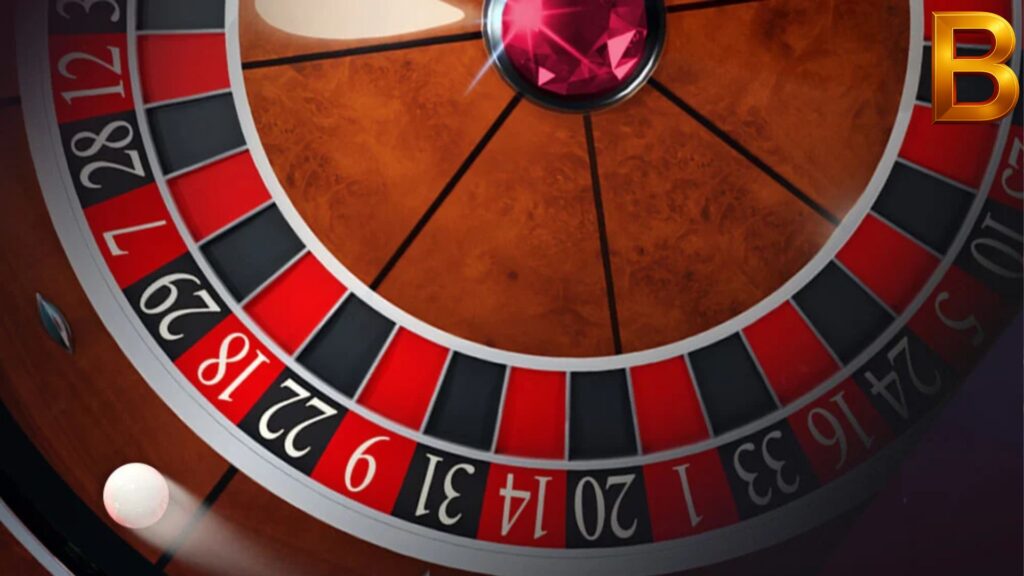
Most live and online platforms use European roulette with 37 pockets: numbers 1–36 plus a single zero. Whether played in iconic venues like Monte Carlo or streamed from professional studios in Riga, the layout remains consistent.
Out of the 37 pockets:
- 18 are red
- 18 are black
- 1 is green (zero)
Because zero does not belong to either red or black, it creates the house edge. As a result, color bets are slightly below a true 50% probability.
Understanding Color Bets
Color bets—red or black—are known as even-chance wagers. They offer a 1:1 payout and cover nearly half the wheel.
Probability per spin:
- Red ≈ 18/37
- Black ≈ 18/37
- Zero ≈ 1/37
Although red and black appear balanced, zero ensures the casino maintains a small advantage. Importantly, previous spins do not affect future outcomes. Therefore, five consecutive reds do not make black “due.”
Color betting produces lower volatility compared to single-number bets, but streaks still occur naturally.
Understanding Number Bets
Number betting involves selecting individual numbers or small groups.
Common options include:
- Straight-up (single number)
- Split (two adjacent numbers)
- Street (three numbers)
- Dozen (12 numbers)
- Column (12 numbers vertically)
Straight-up bets offer the highest payout (35:1), but they also carry the greatest volatility. Meanwhile, dozens and columns provide moderate risk with moderate return.
Because volatility varies by bet type, exposure should match risk tolerance.
Variance and Short-Term Patterns
During short sessions, players often notice:
- Long color streaks
- Repeated hits in one dozen
- Consecutive high (19–36) numbers
- Sector clustering on the wheel
Although these patterns appear structured, they reflect normal variance. In random systems, clustering is expected.
Over larger samples, distribution trends closer to expected probability ratios. However, short-term imbalance can feel dramatic.
Understanding variance reduces emotional reaction.
Comparing Stability: Numbers vs. Colors
From a stability perspective:
- Color bets → smoother bankroll movement
- Dozens/columns → moderate fluctuation
- Straight numbers → high fluctuation
Players seeking steady sessions often prefer even-chance bets. Conversely, players seeking larger payouts accept higher volatility through number bets.
Neither approach changes the house edge, but volatility management affects session stability.
Bankroll Discipline in Modern Roulette
Regardless of whether you choose numbers or colors, structure remains critical.
A measured framework includes:
- Fixed session bankroll
- 1–2% bet size per spin
- Stop-loss limit
- Profit target
If betting straight numbers, consider reducing unit size further due to higher volatility. Controlled exposure protects against emotional escalation.
Emotional Awareness
Numbers and colors can trigger psychological reactions:
- A long red streak may encourage overconfidence.
- Repeated misses on a chosen number may cause frustration.
However, disciplined players treat each spin independently. Emotional neutrality strengthens informed decision-making.
Avoid chasing “hot” or “due” numbers.
Long-Term Perspective
Modern roulette platforms provide detailed history boards and statistical tracking. While useful for awareness, these tools do not alter probability.
Ultimately:
- Each spin is independent.
- House edge remains constant.
- Variance explains short-term clustering.
Therefore, stability depends on managing exposure—not forecasting outcomes.
Conclusion
Understanding numbers and colors in modern roulette begins with probability clarity and disciplined risk control. While color bets offer lower volatility and number bets offer higher payouts, both operate under the same independent system.
By combining mathematical awareness, structured bankroll management, and emotional discipline, players approach roulette more rationally. The wheel may spin unpredictably, but a measured approach ensures your decisions remain steady and informed.
Cek Juga Artikel Gacor Dari Platform : pooluniversity